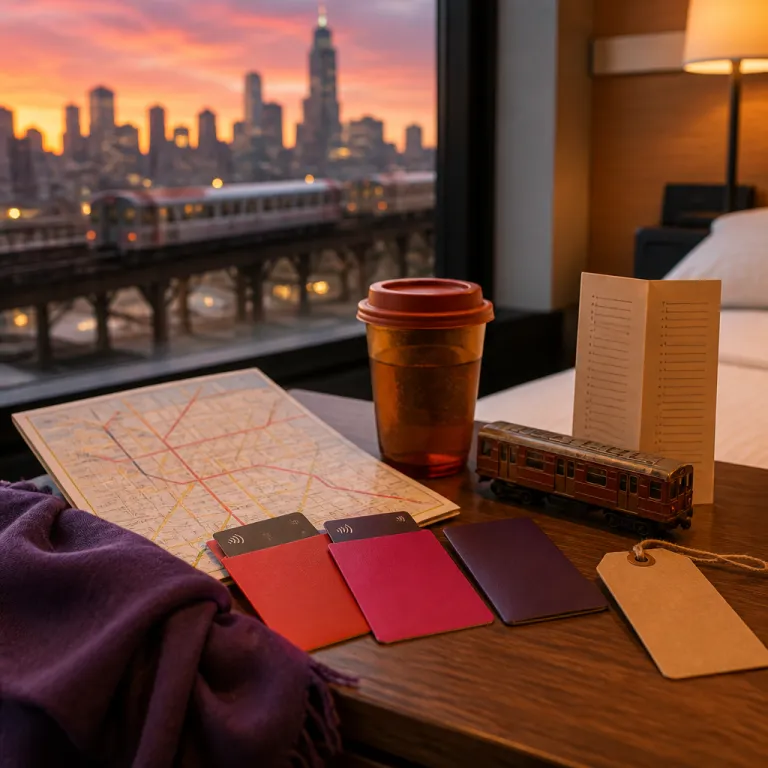
Choosing a hotel location that works with Chicago public transportation
Location is the single best lever you control when planning how to use public transportation in Chicago during a short stay. If you choose a hotel in the central Loop area, you gain instant access to several Chicago Transit Authority (CTA) L train lines, dense bus routes, and easy walking connections across the city. This combination lets you cut taxi costs, reduce travel time, and experience the city like a resident rather than a rushed visitor.
For many travelers, staying within walking distance of a CTA station in the Loop or on the Near North Side is the most efficient strategy, because it keeps both Chicago architecture highlights and major museums within a short ride. A property near Michigan Avenue, the Chicago River, or Millennium Park places you between the business core and the vibrant North Side neighborhoods such as Lincoln Park and Lincoln Square, which are all well served by public transportation. Check a current transit map before you book and confirm that your preferred hotel is no more than a five to seven minute walk from an L station or a major bus corridor.
Guests who prioritize culture often favor the South Side for easier access to the Robie House, the University of Chicago, and the Museum of Science and Industry, but this requires more careful planning around train and bus connections. If you want quick access to Oak Park and the Frank Lloyd Wright Home and Studio, consider a hotel close to the Green Line, which runs directly west from the Loop and makes that tour effortless. Travelers who stayed years ago near only one attraction often return surprised at how much the network has improved, so it is worth taking time to check updated routes and frequencies before you commit.
Mastering the CTA: trains, buses, and the Ventra system
To move confidently, you need to understand how the CTA L trains and buses fit together, because they form the backbone of public transportation in Chicago that locals actually use. The Chicago Transit Authority operates color coded L lines that loop through downtown and then branch north, west, and south, while an extensive bus grid fills in gaps between stations. In 2023 the CTA reported average weekday ridership of roughly 900,000 trips across rail and bus, which shows how deeply the system is woven into city life and why hotel guests should embrace it.
The Ventra card and Ventra mobile app unify payments across CTA and Pace suburban buses, and they also support Metra commuter rail through Ventra mobile tickets rather than tap-and-go fare cards, so one account can manage almost all public transportation in the Chicago area. Official guidance from the agencies is clear and practical: “Use Ventra card for payments,” “Check schedules online,” and “Avoid peak hours if possible,” and these simple rules dramatically improve your experience. Load a Ventra card or set up the app as soon as you arrive at O’Hare or Midway, because it allows seamless transfers between L trains and buses and lets you buy Metra tickets on your phone when you need to reach the suburbs.
Hotel guests often ask whether the L runs all night, and the answer matters if you plan late dinners or a Second City comedy show. The CTA confirms that “Blue and Red Lines operate 24/7,” which means a hotel near either line gives you reliable late night options that taxis cannot always match. Compared with staying in a more isolated area without direct train access, the difference in flexibility and peace of mind is great, especially if you value a safe, predictable walk back from the station.
Planning days around transit for architecture, museums, and the river
Thoughtful planning lets you link Chicago architecture, museums, and river experiences into elegant, transit friendly days that never feel rushed. Start one morning with a walking tour that departs from the Chicago Architecture Center near the river, then continue to a Chicago Architecture Center boat tour without ever needing a car. This approach turns public transportation in Chicago into a practical framework for seeing more of the city with less effort.
Many of the best architecture river boat tours leave from docks along the main branch of the Chicago River, which you can reach easily from Loop hotels by walking or by a short L ride. After your boat tour, you can stroll the Riverwalk, then head south on foot toward the Art Institute of Chicago, one of the city’s museum icons, passing Michigan Avenue and Millennium Park on the way. Build in time for a relaxed walk through the park and along the Riverwalk, because these walking segments connect major attractions while giving you a feel for the city at street level.
On another day, use the Green Line or a Metra train to reach Oak Park, where you can explore the Frank Lloyd Wright Home and Studio and the surrounding oak lined streets. Architecture enthusiasts often combine Oak Park with a visit to the Robie House near the University of Chicago, creating a Frank Lloyd Wright themed tour that spans both the West Side and the South Side. With careful use of public transportation, including trains and short walking links, this architecture focused day remains comfortable in terms of time and energy.
Neighborhoods, food, and parks that pair well with transit
Beyond the central Loop, Chicago rewards guests who use public transportation to reach neighborhoods where locals actually live, eat, and relax in the park. Lincoln Park on the North Side is a prime example, because it combines a large lakefront park, a free zoo, and streets filled with cafés and food options that are easy to reach by bus or train. When you stay in a hotel near Michigan Avenue or the river, you can still reach Lincoln Park quickly via the Brown, Purple, or Red Lines and then enjoy a pleasant walking tour of the area.
Farther north, Lincoln Square offers a quieter, village like atmosphere with great restaurants and bars, and it sits on the Brown Line, which makes it a straightforward trip from downtown. Many travelers who stayed only in the central city years ago now recommend adding an evening in Lincoln Square, because the combination of food, music, and relaxed streets gives a different perspective on Chicago. The walk from the station through the main square is short, and the area feels compact enough that you can comfortably explore on foot before returning to your hotel by train.
Closer to downtown, the lakefront trail links Grant Park, Millennium Park, and the Museum Campus, creating a continuous walking and cycling corridor that pairs beautifully with transit. You might take a bus or train to the Field Museum or Shedd Aquarium, then walk back along the water toward the Loop as the city skyline glows behind you. This pattern of using public transportation for the longer legs and then choosing a scenic walk for the final stretch is one of the best ways to experience Chicago like a local.
Safety, timing, and etiquette for moving like a local
Using public transportation in Chicago effectively also means understanding safety, timing, and etiquette, especially if you are returning late to your hotel. The system is generally safe, but the agencies themselves advise: “Is public transit safe in Chicago?”, “Generally safe; stay alert,” and that balanced message reflects how locals behave. You should keep bags closed, avoid displaying valuables, and choose well lit train cars or bus sections, particularly at night.
Timing matters because peak hours on weekdays bring crowded trains through the Loop and along major North Side corridors, which can feel intense if you are carrying luggage. When possible, plan airport transfers outside the sharpest peaks, and allow extra time if you are heading to a timed tour, a Second City performance, or a museum entry slot. Check real time arrival information in the Ventra app or other transit apps, because Chicago public transportation increasingly relies on live data to help riders avoid long waits.
Etiquette on trains and buses is straightforward: let passengers exit before you board, keep your voice low, and avoid blocking doors during the ride. If you are traveling as a group from your hotel, split into smaller clusters so you do not overwhelm a single train car or bus section. This considerate behavior not only makes the journey more pleasant for everyone, it also helps you blend into the city rather than standing out as visitors.
Practical hotel strategies for seamless transit days
Elegant use of public transportation in Chicago begins before you even arrive, with a few hotel focused decisions that pay off every day. When comparing properties, look beyond star ratings and check the exact walking distance to the nearest CTA station or major bus stop using a map, not just a marketing description. A hotel that is a three minute walk from a Red or Blue Line station will feel dramatically more convenient than one that requires a ten minute walk through an isolated area, especially at night or in bad weather.
Once you check in, ask the front desk for a printed transit map and any current advice about service changes, because staff often know about weekend construction that could affect your plans. Many Chicago hotels keep quick reference sheets for reaching O’Hare, Midway, the Museum Campus, and popular neighborhoods such as Lincoln Park, Lincoln Square, and Oak Park, and these can save you time. Program key stations into your phone, such as Clark/Lake in the Loop, Fullerton for the North Side, and Harlem for Oak Park, so you always know which direction to walk when you exit.
For evenings, plan your route back from restaurants or shows in advance, especially if you are heading to Second City in Old Town or to a late dinner on the North Side. Decide whether you will walk to the nearest station, use a bus, or take a taxi for the last segment, and share that plan within your group. This small amount of preparation turns what could be a stressful late night journey into a smooth, confident return to your room, reinforcing how well Chicago public transportation can serve thoughtful hotel guests.
Key figures that frame Chicago public transportation
- The Chicago Transit Authority reports average weekday ridership of about 900,000 trips on its L trains and buses in 2023, illustrating how central public transportation is to city life and why visitors benefit from using the same network.
- Metra commuter rail carries roughly 230,000 passenger trips per weekday across the wider region, which makes it a strong option for hotel guests planning day trips to suburbs such as Oak Park or farther afield.
- Pace suburban buses handle around 70,000 weekday rides, complementing CTA and Metra by linking outer suburbs to the core, although most central Chicago hotel guests will rely primarily on CTA services.
- The integration of payments through the Ventra system means that one card or app now covers CTA and Pace directly and supports Metra mobile tickets purchased in the app, reducing friction for travelers who want to combine trains and buses in a single day.
FAQ: practical questions about public transportation in Chicago
How do I get a Ventra card when I arrive in Chicago?
You can purchase a Ventra card at vending machines in CTA rail stations, including O’Hare and Midway airports, or order one online before your trip if you prefer to arrive prepared. The same card works on CTA trains, CTA buses, and Pace services, while Metra tickets are available as separate purchases within the Ventra app, which still simplifies payment. For most hotel guests staying several days, a Ventra card or mobile wallet within the Ventra app is the most efficient option.
Are the L trains in Chicago running all night?
Only the Red Line and Blue Line operate twenty four hours a day, while other L lines have defined service hours that end overnight. If late night mobility is important, choose a hotel within easy walking distance of a Red or Blue Line station. For very late returns from restaurants or shows in areas without overnight train service, combine early train segments with taxis or rideshares for the final leg.
Is public transportation safe for visitors staying in downtown hotels?
Public transportation in Chicago is generally safe, especially in central areas and during typical commuting and evening hours, but you should stay alert and follow the same precautions you would in any large city. Keep valuables out of sight, avoid empty train cars late at night, and travel with companions when possible. Many hotel concierges can suggest the best routes and times for specific outings if you have concerns.
Which transit pass is best for a short hotel stay?
For a long weekend or a three to five day visit, unlimited ride passes on CTA often provide the best value, especially if you plan multiple daily trips between your hotel, museums, and neighborhoods. Single ride fares can add up quickly when you include airport transfers, so calculate your expected number of rides before choosing. If you intend to use Metra for longer suburban trips, keep in mind that separate Metra tickets or passes may be required in addition to CTA products.
Can I reach major attractions like museums and the Riverwalk without a car?
Most of Chicago’s headline attractions, including the Art Institute, the Museum Campus, Millennium Park, and the Riverwalk, are easily accessible by CTA trains and buses from downtown hotels. You can often combine a short train ride with a pleasant walk through the Loop or along Michigan Avenue to reach your destination. Planning routes in advance with transit apps helps you minimize transfers and keep more time free for the experiences themselves.
Sources
Chicago Transit Authority (CTA) official publications and ridership reports.
Metra commuter rail official statistics and service information.
Pace Suburban Bus public data and Regional Transportation Authority materials.