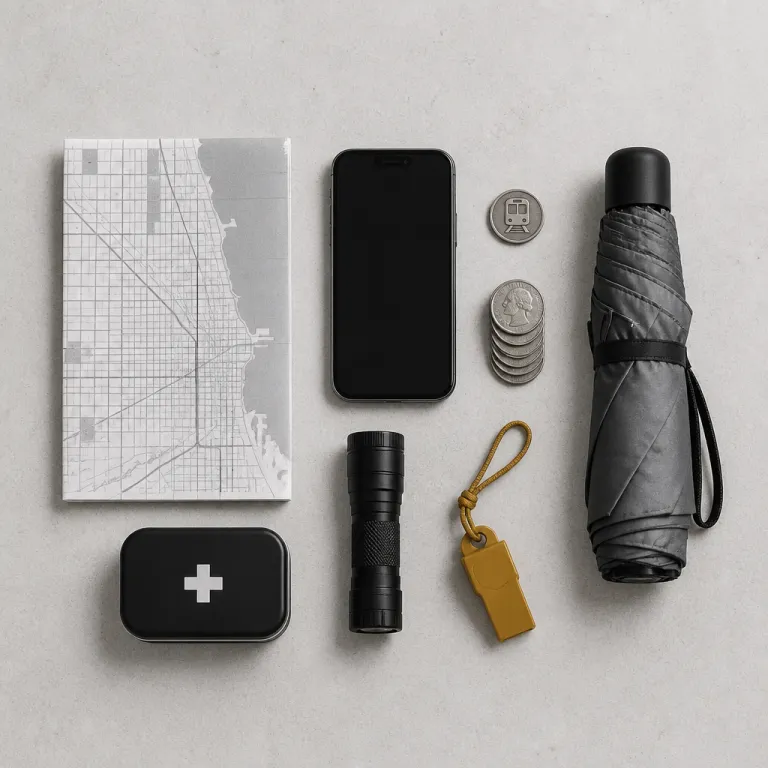
Reading the numbers: is Chicago safe for tourists now
Chicago is a layered, sometimes contradictory city where world class culture, architecture, and food sit alongside very real crime challenges. When people search “is chicago safe for tourists 2024”, they are really asking whether the main visitor districts feel manageable for a short city break or long weekend. For most travelers the answer is yes, provided you plan your stay thoughtfully, stay informed, and use everyday common sense.
Recent data from the City of Chicago and national reporting systems shows that the violent crime rate sits in the mid range compared with other large United States cities. The latest analysis, drawing on 2023 FBI Uniform Crime Reporting tables and City of Chicago crime dashboards, indicates a violent crime rate of about 540 incidents per 100 000 residents, alongside a property crime rate above 3 400 per 100 000, with an estimated double digit percentage decrease in violent crime compared with the previous year. According to 2023 year end summaries from the Chicago Police Department and the FBI UCR portal, that decline is concentrated in central neighborhoods where tourist areas cluster, which is encouraging if you intend to stay near the Loop, the Magnificent Mile, River North, or the Gold Coast and focus your itinerary there.
For a hotel guest, the practical question is whether Chicago safe streets exist around your chosen address and usual walking routes. In central districts the answer is generally that you can expect a safe visit experience, especially in well lit blocks with steady foot traffic and active storefronts. You still need to remain aware of your surroundings, keep valuables discreet, and understand which area to best avoid late at night so that small misjudgments do not put you in an uncomfortable situation.
Best neighborhoods to stay for a safe city break
Choosing the right neighborhoods is the single most effective way to keep your Chicago trip feeling relaxed and safe. The Loop, which forms the historic core of the city, offers dense public transportation, major theatres, and easy walking access to Millennium Park and the riverfront. Hotels here suit first time visitors who want a safe chicago base with quick access to most popular things to see, plus straightforward routes back after evening shows or dinners.
North of the river, River North and the Magnificent Mile corridor combine upscale shopping, galleries, and dining with lively sidewalks that stay well lit into the evening. These areas are considered among the best neighborhoods for a safe visit because streets remain busy, police presence is visible, and tourist areas are closely monitored by both the Chicago Police Department and private security teams. The Gold Coast, just beyond the Magnificent Mile, offers a quieter residential feel while still keeping you close to the lakefront and high end restaurants, which many female travelers and solo travel guests appreciate for its calmer, more residential atmosphere.
Further north, Lincoln Park balances leafy residential streets with a major park, a free zoo, and a strong café scene. If you stay near Lincoln Park itself, you can enjoy morning walking routes along the lake while remaining in an area that locals regard as relatively safe, especially by big city standards. Wicker Park, northwest of downtown, blends creative energy with busy nightlife and is popular with younger visitors who still want relatively safe streets and plenty of dining options. Wherever you book, check the exact block on a map, look at street views, and confirm that the immediate area appears well maintained, well trafficked, and aligned with your comfort level.
Areas and situations you should generally avoid
No major city is uniformly safe, and Chicago is no exception when you look closely at crime maps and neighborhood level data. Certain areas record higher levels of violent crime and property offences, and these are usually not where tourists need to go for core sightseeing or classic attractions. For a short city break, the smartest strategy is to best avoid isolated pockets with persistent crime issues, especially after dark or when you would be walking alone.
Garfield Park on the West Side illustrates this nuance clearly, because the park itself contains a stunning conservatory that many visitors love. The surrounding area, however, has historically experienced higher violent crime rates, so it is wise to visit during daylight, use a taxi or ride share door to door, and avoid unnecessary walking on side streets or lingering near empty corners. The same principle applies to several outlying neighborhoods on the South and West Sides, where fascinating culture coexists with blocks that are not ideal for an unaccompanied tourist or for solo travel at night without local guidance.
Even within central Chicago, you should avoid poorly lit underpasses, empty riverfront stretches late at night, and any area where your instincts say something feels off. A safe chicago experience depends as much on moment to moment decisions as on the neighborhood you choose or the hotel you book. Stay in well lit streets, keep to main avenues rather than alleys, and if you feel uncomfortable, step into a hotel lobby or restaurant and arrange secure transportation instead of trying to “push through”.
Street level safety: walking, transport, and everyday habits
Once you have chosen where to stay, daily habits will shape how safe Chicago feels during your visit. Central districts are designed for walking, and thousands of commuters and tourists cross the Loop and River North on foot every day. Stick to main intersections, cross at lights, walk with purpose, and keep your phone in a pocket rather than held loosely in your hand where it can be grabbed.
Chicago public transportation includes the elevated “L” trains and an extensive bus network, which many visitors use comfortably between the airport, the Loop, and popular attractions. Trains are generally fine during the day, but at night you may prefer a taxi or ride share directly between your hotel and your destination, especially if you are carrying luggage or travelling as female travelers or in solo travel mode. Whatever you choose, sit or stand where you can see exits clearly, avoid empty train cars, and remain aware of your surroundings without becoming anxious or hyper focused on risk.
Petty crime such as pickpocketing can occur in crowded tourist areas like Millennium Park, the Magnificent Mile, and major festivals or sports events. A slim money belt worn under clothing or a crossbody bag that zips securely will reduce your risk and help you feel more relaxed. These simple measures, combined with common sense, moderate situational awareness, and a willingness to avoid obviously risky situations, go a long way toward ensuring a safe visit.
Key tourist areas and how they feel on the ground
Most visitors structure a Chicago trip around a handful of flagship sights concentrated near the lakefront. Millennium Park, with its famous Cloud Gate sculpture, anchors a cluster of attractions that stay busy from morning until late evening. The park itself is usually safe, but you should still keep bags closed, avoid leaving belongings on benches, and stay in well lit sections after dark rather than wandering into quieter corners.
To the north, the Magnificent Mile and adjacent River North form the city’s retail and dining spine, where tourist foot traffic blends with office workers and residents. These tourist areas benefit from strong lighting, frequent police patrols, and private security for major buildings, which collectively support a chicago safe environment for shoppers and diners. As one recent visitor put it in a 2023 hotel review, “I felt comfortable walking back from dinner because there were people around, lights on, and staff at every corner.” You will still want to use common sense by declining unsolicited offers, ignoring aggressive street approaches, and stepping indoors if a block suddenly feels too quiet or you notice tension nearby.
Lincoln Park and the Gold Coast offer a different rhythm, with tree lined streets, historic homes, and easy access to the namesake park and lakefront trails. During the day these neighborhoods feel relaxed and are popular with runners, families, and solo travel guests who enjoy walking to cafés or the beach. At night, stay on main routes, avoid cutting through the park after dark, and use a car service if you have any doubts about the route back to your hotel or the reliability of late night transit.
Practical safety planning for hotel guests and solo travelers
Thoughtful planning before you arrive will make your Chicago city break feel smoother and safer. When comparing hotels, look beyond star ratings and check how close each property sits to the Loop, River North, the Magnificent Mile, or Lincoln Park, because proximity to these areas usually means stronger safety infrastructure. Read recent guest reviews that mention safety, noise, lighting, and how comfortable people felt when walking back at night from restaurants or train stations.
For female travelers and anyone considering solo travel, prioritise a front desk that operates twenty four hours, secure key card access to lifts, and a lobby that feels active rather than deserted. Ask staff which routes they recommend for walking to nearby restaurants, and which area they suggest you best avoid after dark, because local insight often reflects the latest crime patterns more accurately than static guides. Keep the Chicago Police Department non emergency number saved in your phone, and do a quick check of real time crime maps from reputable platforms such as the City of Chicago crime dashboard or the CPD CLEARMap system before venturing into unfamiliar districts or booking activities far from the center.
During your stay, build a simple routine that supports a safe visit without dominating your thoughts. Tell a friend your daily plans, share your live location when using ride share, and agree on check in times if you are exploring different things separately. As one downtown hotel manager recently put it, “treat Chicago like any big city you respect: plan your routes, stay on lively streets, and speak up if something feels off.” These habits, combined with staying in well lit streets, avoiding obvious displays of wealth, and trusting your instincts, will help ensure that Chicago feels like a vibrant city break destination rather than a source of anxiety or constant worry.
Key safety figures for Chicago tourists
- The violent crime rate in Chicago is approximately 540 incidents per 100 000 residents, according to recent analyses using 2023 FBI Uniform Crime Reporting data and City of Chicago crime reports, placing the city in the mid range among large United States metros.
- Property crime stands at more than 3 400 incidents per 100 000 residents, which mainly affects parked cars and unsecured belongings rather than hotel guests who keep valuables locked or on their person.
- Recent assessments indicate an estimated 11 percent decrease in violent crime compared with the previous year, with the sharpest improvements recorded in central tourist areas such as the Loop and River North.
- Visitor surveys and booking data show that the Loop, River North, Lincoln Park, Wicker Park, and the Magnificent Mile consistently rank among the safest feeling neighborhoods for tourists choosing where to stay.
Frequently asked questions about Chicago safety for tourists
Is Chicago safe for tourists right now for a short city break ?
For most visitors, central Chicago feels manageable and reasonably safe, especially around the Loop, River North, the Magnificent Mile, and Millennium Park. These areas benefit from strong lighting, regular patrols, and heavy foot traffic, which together reduce the likelihood of serious incidents. You still need to stay alert, secure your belongings, and avoid isolated streets late at night or when returning to your hotel after bars close.
Which Chicago neighborhoods are best for tourists who prioritise safety ?
The Loop, River North, the Magnificent Mile, the Gold Coast, and Lincoln Park are widely regarded as the best neighborhoods for tourists who value safety and convenience. They offer dense public transportation, plenty of hotels, and easy access to major attractions without long commutes through unfamiliar areas. When you compare options, focus on blocks that are well lit, busy in the evening, and close to main streets rather than back alleys or isolated industrial zones.
How can I reduce my risk of crime while walking around Chicago ?
Stay on main routes, avoid empty side streets, and keep valuables out of sight, especially in crowded tourist areas. Use a money belt or a secure crossbody bag, and avoid counting cash in public or leaving phones on café tables where they can be snatched. At night, walk with others when possible, choose well lit paths, and switch to a taxi or ride share if a route feels uncomfortable or significantly quieter than you expected.
Is Chicago suitable for solo travel and female travelers ?
Many solo travelers and female travelers enjoy Chicago safely by choosing central hotels, planning routes in advance, and avoiding high risk areas after dark. Staying in the Loop, River North, the Magnificent Mile, or Lincoln Park gives you quick access to restaurants and attractions without long, isolated walks. Trust your instincts, decline unwanted attention firmly, and ask hotel staff for up to date advice on any area you are unsure about before you set out.
Are there specific areas of Chicago tourists should generally avoid ?
Some parts of the South and West Sides, including blocks around Garfield Park, experience higher levels of violent crime and are not essential for a first time city break. If you do visit a venue in one of these districts, go during daylight, use door to door transport, and avoid wandering on foot beyond your destination. In every neighborhood, steer clear of poorly lit streets, deserted underpasses, and any situation where you feel pressured or unsafe, even if it looks busy on a map.