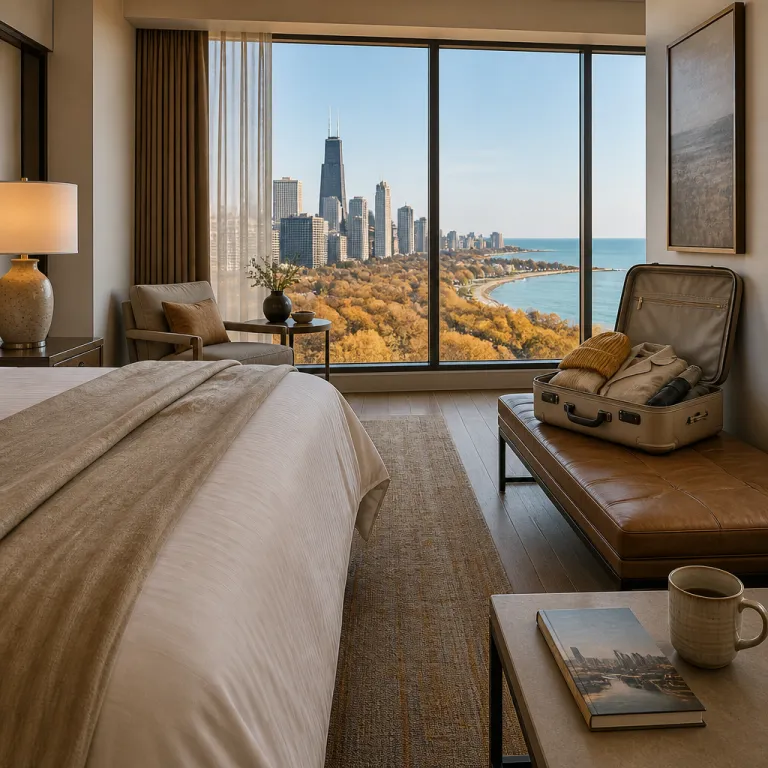
How Chicago’s seasons shape the best time to visit
Choosing the best time to visit Chicago starts with understanding its four distinct seasons. Travelers planning a hotel stay quickly see how the city’s changing weather, shifting average temperature patterns, and evolving events calendar transform both prices and experiences. When you align your preferred temperature, daylight hours, and favourite things to do with the right time of year, you turn a simple city break into a great time to visit Chicago.
Spring, summer, fall, and winter each bring different events Chicago is famous for, from a major music festival on the lakefront to a quiet art fair in a neighbourhood park. Those seasons also bring very different average temperatures, which matter when you are deciding whether to book a room with lake views, a rooftop bar, or direct access to indoor attractions along the Magnificent Mile. Understanding how these seasonal shifts affect both outdoor festivals and hotel demand is the key to finding your personal ideal dates and securing value on your chosen days.
Data from tourism boards and climate records shows that July’s average high temperature in Chicago reaches about 29 °C, while January’s average low temperature is closer to −9 °C before wind chill, based on long term normals from the National Weather Service. That swing explains why the best time to visit Chicago for you may not match the peak summer season that many visitors instinctively choose. Once you match your tolerance for Chicago winter cold or Chicago spring rain with your interest in festivals, music festivals, and holiday events, your hotel search becomes far more strategic.
Spring in Chicago: a sweet spot for comfort and value
For many hotel guests, Chicago spring offers the best balance between comfortable weather and manageable crowds. From March to May, average temperatures climb steadily, and by late spring you often enjoy daytime highs between 15 °C and 22 °C that feel ideal for outdoor walks along the river or the Magnificent Mile. This is often the best time to visit Chicago if you want to enjoy the city’s energy without the full crush of summer visitors.
During this time of year, you can plan a visit around early festivals and art events that hint at the busy season ahead. Saint Patrick’s Day celebrations in mid March turn the Chicago River green and fill downtown hotels with guests seeking a festive long weekend, especially around River North and the Loop. Booking your room several days before Saint Patrick’s Day or staying into the following week can secure better average rates while still letting you enjoy the holiday atmosphere and related events Chicago hosts.
Spring also brings the first outdoor art fair weekends, smaller music events, and food festivals that showcase neighbourhood culture without peak season prices. Many travelers find this is a great time to visit Chicago because they can enjoy both indoor museums and outdoor walks in a single day, adjusting plans quickly if the weather shifts. If you value flexibility, milder average temperature ranges, and slightly lower hotel costs, Chicago spring is often your personal best time and a smart season for a longer, almost year round style stay.
Summer in Chicago: festivals, lakefront life, and peak hotel demand
Summer is when many visitors assume the best time to visit Chicago has arrived, and for festival lovers they are often right. From June through August, the city’s average temperature is warm, days are long, and the lakefront turns into a vast outdoor playground filled with concerts, food stalls, and sports. If you want to enjoy a major music festival, a blues festival, or multiple music festivals in one trip, this is the time of year when your hotel choice becomes part of the experience.
Events Chicago hosts in summer range from the Chicago Blues Festival in Millennium Park to Chicago Pride celebrations that fill streets with colour, music, and visitors from around the world. Each festival draws its own crowd, and together these celebrations create a holiday atmosphere that stretches across many days, especially around any long weekend. Hotels near the Magnificent Mile, Navy Pier, or Grant Park often sell out quickly during a large music festival, so locking in your room well in advance—often three to six months ahead for June and July—is essential if this is your chosen best time.
Warm weather also makes it easy to enjoy outdoor dining, rooftop pools, and lake cruises in a single day, though you should be prepared for occasional humidity and higher average temperature peaks. If you prioritise nightlife, live music, and constant things to do, summer may be your best time to visit Chicago despite higher room rates. For better value, consider arriving just before or after a major festival, when you still enjoy the same summer weather but face slightly softer demand and more flexible prices.
Fall in Chicago: cultural depth, crisp air, and shoulder season savings
As summer crowds thin, fall in Chicago quietly becomes the best time to visit Chicago for many seasoned travelers. From September to November, the average temperature cools to comfortable levels, with many days offering clear skies and crisp air that feel perfect for long walks and outdoor photography. This is the time of year when hotel prices often ease, yet the cultural calendar remains rich with festivals, art events, and food festivals.
Events Chicago hosts in fall include neighbourhood art fair weekends, film festivals, and smaller music festivals that draw engaged audiences rather than mass crowds. You can enjoy a blues festival performance one evening, explore Chicago blues clubs the next day, and still find time to stroll the Magnificent Mile under turning leaves. For many visitors, this combination of cultural depth, pleasant weather, and more relaxed hotel availability defines a great time to visit Chicago.
Travel data from hotel industry reports shows that average nightly rates can drop by around 15 to 25 percent in shoulder seasons such as October compared with peak summer, though exact figures vary by year and neighbourhood. If you plan your visit around these fall dates, you often secure better rooms for the same budget, especially for stays of several days. For travelers who enjoy both indoor galleries and outdoor parks, fall offers a balanced, almost year round feeling experience and may quietly be the best time in the entire Chicago calendar.
Chicago winter and the holiday season: cosy stays and sharp contrasts
Chicago winter divides opinion, yet for certain travelers it is absolutely the best time to visit Chicago. Average temperature readings in January can fall to around −9 °C, and wind off Lake Michigan often makes days feel colder, especially when you walk more than a few blocks. However, if you plan carefully and choose a hotel with strong indoor amenities, this time of year can deliver memorable experiences at attractive prices.
The holiday season transforms the Magnificent Mile with lights, window displays, and festive events Chicago families return to year after year. You can enjoy indoor markets, classical music performances, and winter art fair installations while stepping outside only for short, well planned walks. For many guests, a long weekend in December becomes a great time to visit Chicago, especially when combined with spa access, in house dining, and easy transport to museums.
Outside the peak holiday period, Chicago winter often brings lower hotel rates and quieter attractions, which appeals to travelers who prefer calm over crowds. If you pack properly for the weather and accept that some days will be best spent indoors, you can still enjoy theatre, live Chicago blues, and fine dining without queues. For value focused visitors who do not mind cold days, this season can be a surprisingly smart visit, particularly for repeat guests who already know their favourite things to do.
Aligning your hotel strategy with Chicago tourism trends
Recent tourism data shows a clear shift toward shoulder seasons, which directly affects the best time to visit Chicago for hotel bookings. Travelers increasingly seek a balance between comfortable weather, authentic events, and reasonable prices rather than simply chasing the hottest summer days. This trend means that Chicago spring and fall now compete strongly with summer as the best time for a well planned city visit.
Market reports highlight that June through September is considered peak season and that hotel prices often drop noticeably in May and October, which confirms what many experienced guests already feel. When you align your stay with these patterns, you can enjoy major festivals, a favourite music festival, or a blues festival while still protecting your budget. For example, arriving in late May lets you enjoy early summer weather, some outdoor events Chicago hosts, and lower average rates than in July.
Because Chicago tourism now runs almost year round, with events, festivals, and fairs in every season, the real question is not whether to visit Chicago but how to match your priorities with the right time of year. If you value the holiday season atmosphere, choose December and focus on indoor experiences near the Magnificent Mile and the Loop. If you care more about outdoor concerts, music festivals, and long days, then late spring or early summer will likely be your personal best time and the moment when Chicago feels perfectly tuned to your travel style.
Key statistics that shape the best time to visit Chicago
- Average high temperature in July reaches about 29 °C in Chicago, which supports peak demand for outdoor festivals, lakefront activities, and rooftop hotel experiences during this time of year (based on long term climate records from the National Weather Service).
- Average low temperature in January is around −9 °C, and combined with wind chill this defines the character of Chicago winter and encourages travelers to prioritise indoor attractions and well equipped hotels (based on National Weather Service climate normals).
- Hotel prices in shoulder seasons such as May and October can drop by roughly 15 to 25 percent compared with peak summer, making these months a strong candidate for the best time to visit Chicago if value is a priority (industry estimates from hotel market analyses; actual savings vary).
- Peak tourist season runs from June through September, which concentrates many major events Chicago hosts, including large music festivals and the Chicago Blues Festival, into a relatively short window that drives higher room rates and occupancy.
FAQ: planning your Chicago hotel stay by season
What is generally the best time to visit Chicago for first timers ?
For a first time visit Chicago experience, late May through June and September through early October usually offer the best mix of mild weather, active events, and manageable hotel prices. During these weeks, average temperature levels are comfortable for outdoor walks, and you still enjoy festivals without the most intense summer crowds. Many travelers find these shoulder periods deliver a great time with fewer compromises.
When are hotel prices usually lower in Chicago ?
Hotel prices tend to be lower in the shoulder months of May and October, as well as during parts of Chicago winter outside the peak holiday season. In these periods, demand softens, so you often secure better rooms or added amenities for the same budget. If cost is a key factor in your visit, these months can be the best time to visit Chicago.
Is Chicago winter too cold for a city break ?
Chicago winter is cold, but it is manageable if you prepare and choose the right hotel. With average temperature readings around −9 °C in January and strong winds, you will spend more time indoors, yet museums, theatres, and restaurants remain fully active. For travelers who enjoy cosy stays and the holiday season atmosphere, this can still be a great time to visit Chicago.
Which season is best for festivals and live music in Chicago ?
Summer is the peak season for festivals, with major music festivals, the Chicago Blues Festival, and Chicago Pride drawing large crowds. Late spring and early fall also feature many festivals and fairs, including art fair weekends and neighbourhood events Chicago residents love. If live music and outdoor events are your priority, these seasons define the best time to visit Chicago.
How far in advance should I book my Chicago hotel ?
For peak summer, major festivals, or the holiday season, booking several months in advance is wise, especially near the Magnificent Mile or major event venues. During Chicago spring and fall shoulder periods, you often have more flexibility, though popular long weekend dates still fill quickly. In Chicago winter outside holidays, you can sometimes secure strong last minute deals, but planning at least a few weeks ahead remains sensible.